Materials · 9 min read
Plywood vs Melamine Cabinets in Malaysia: Which Is Better? (2026 Guide)
Compare plywood vs melamine cabinets in Malaysia. Learn the differences in durability, moisture resistance, cost, appearance and which material makes more sense for your home.
What Is Plywood?
Plywood is made by bonding multiple thin layers of wood veneer together under pressure. Because the grain direction alternates between layers, plywood gains better structural stability compared with lower-cost engineered boards.
- Stronger structure and better screw holding strength
- Improved resistance to warping
- Better moisture tolerance compared with many alternatives
- Generally higher cost
Plywood is commonly used in:
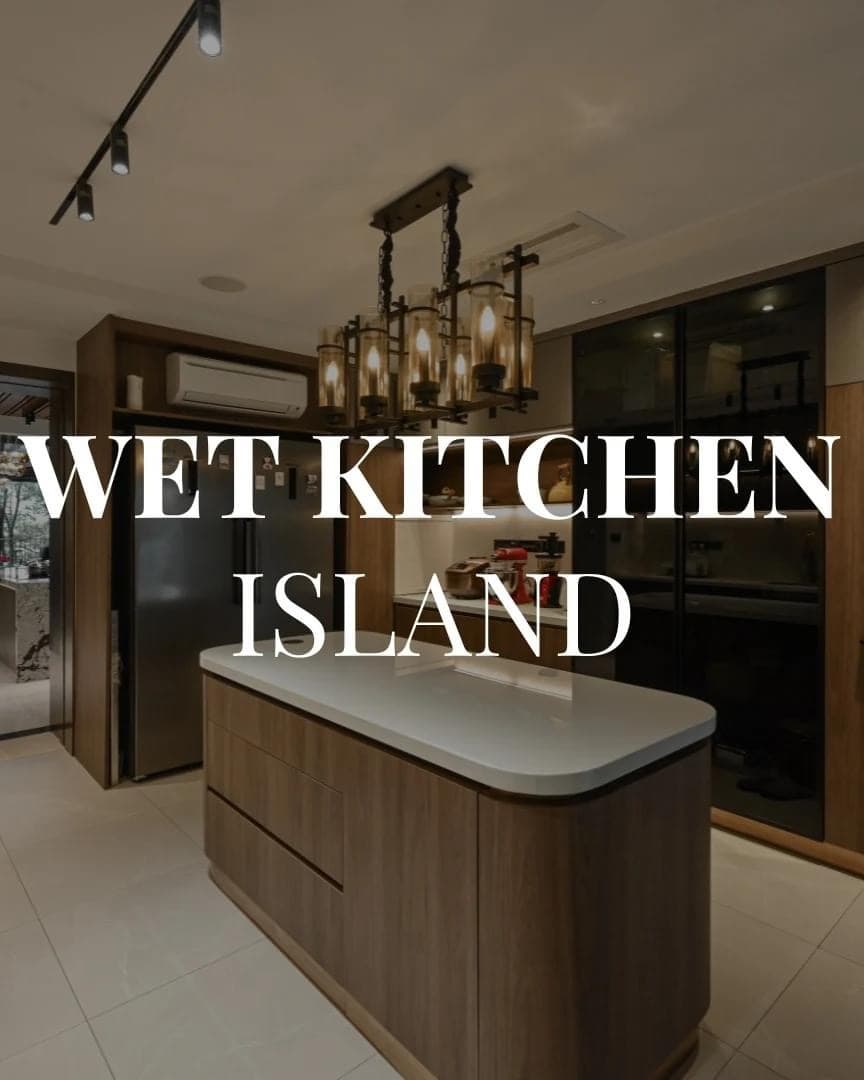
- Kitchen cabinets and wet kitchen cabinets
- Utility storage requiring stronger support
- Built-in cabinetry with heavy daily use
What Is Melamine Board?
Melamine board typically refers to engineered board (particle board or MDF) with a decorative melamine surface layer. It is widely used in cabinetry due to affordability and clean, consistent finishes.
- Lower cost with smooth ready-finished surface
- Available in multiple colours and textures
- Practical for dry applications
- Performance depends heavily on board density and quality
Melamine is commonly used in:
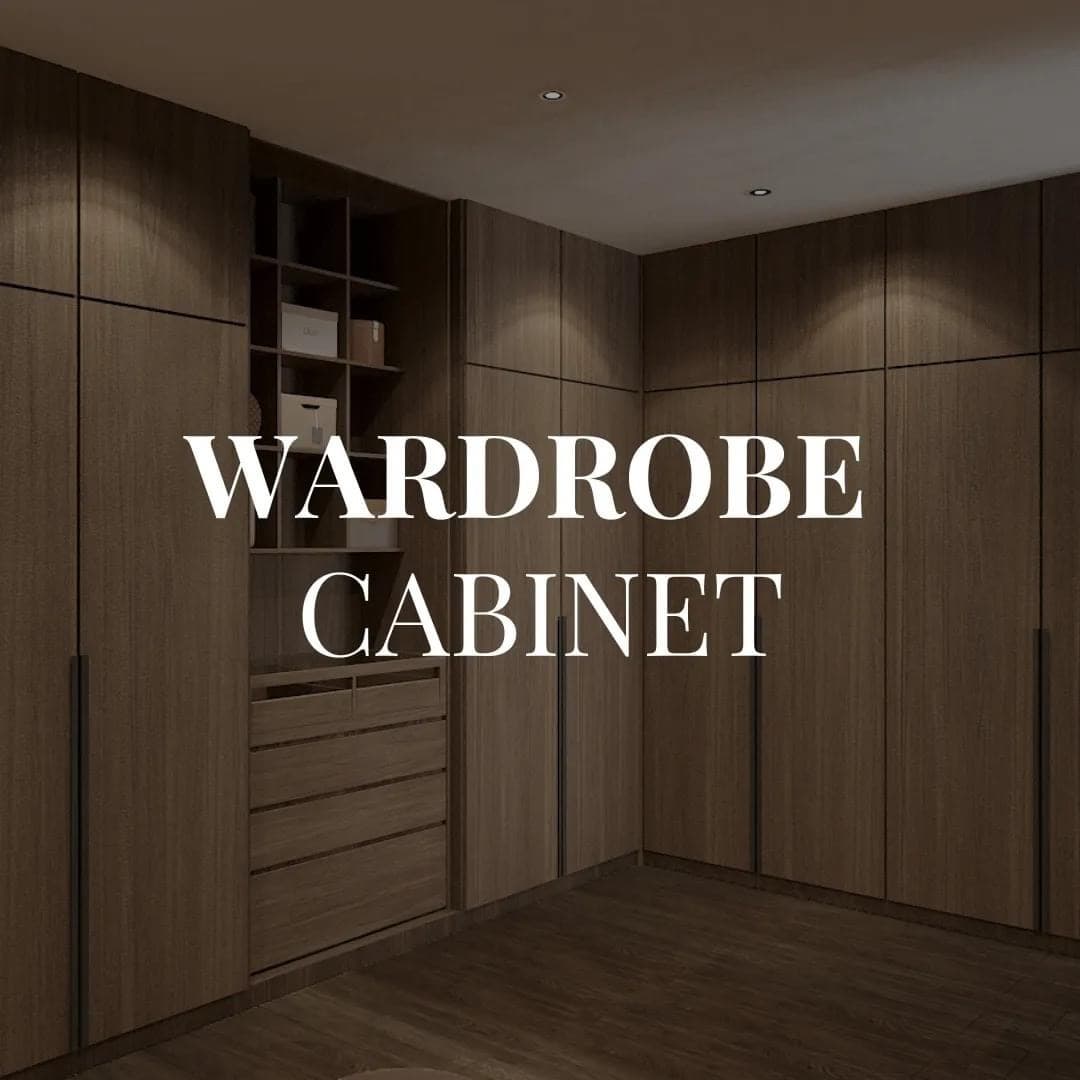
- Wardrobes and bedroom storage
- Shoe cabinets and study cabinets
- Dry-area built-in storage
Plywood vs Melamine: Side-by-Side Comparison
| Factor | Plywood | Melamine |
|---|---|---|
| Structural strength | Stronger | Moderate |
| Moisture tolerance | Better | Lower |
| Screw holding | Better | Lower |
| Cost | Higher | Lower |
| Surface finish options | Flexible | Wide ready-made options |
| Weight | Heavier | Often lighter |
| Budget friendliness | Lower | Better |
| Dry storage suitability | Good | Good |
| Wet area suitability | Better | More risk |
Moisture Resistance in Malaysia's Climate
Malaysia's humidity changes the equation significantly. Cabinets near sinks, wet kitchens, laundry zones and water-prone areas face far more risk than dry bedroom storage.
Moisture exposure can lead to swelling, edge damage, delamination and reduced cabinet lifespan. In these situations, plywood generally provides better long-term performance.
That does not mean plywood is waterproof — it means it is often more forgiving under moisture stress compared with lower-end engineered board solutions.
Cost Difference: Is Plywood Worth Paying More?
This depends entirely on usage. For a bedroom wardrobe in a dry room, melamine may offer practical value without the premium cost. For wet kitchen cabinets with frequent humidity exposure, the extra durability from plywood may justify the higher price.
Think in lifecycle cost, not only upfront price. A cheaper cabinet that needs replacement or repair earlier may become more expensive overall.
Appearance: Which Looks Better?
This is where many homeowners misunderstand material selection. The visible look depends more on laminate finish, door panel design, edge finishing and craftsmanship — not just the core board material.
A well-designed melamine cabinet can look visually clean and premium. A poorly executed plywood cabinet can still look disappointing. Appearance alone should not decide the material.
Common Sales Myths
- Myth: Plywood is always the best choice — It may be unnecessary for low-stress dry storage applications.
- Myth: Melamine is cheap and therefore bad — Board quality, edging and workmanship matter heavily.
- Myth: All boards are basically the same — Material choice changes durability significantly.
- Myth: Moisture only matters if water directly touches the cabinet — Humidity and repeated indirect exposure also cause damage over time.
Best Material by Use Case
- Kitchen cabinet — Plywood often makes more practical sense (higher moisture exposure and heavier daily usage)
- Bedroom wardrobe — Melamine can be practical (dry environment and budget efficiency)
- Shoe cabinet — Depends on ventilation and humidity exposure in the area
- TV cabinet — Either can work depending on budget and design preference
- Utility storage — Depends heavily on site moisture conditions
Questions to Ask Before Choosing
Before deciding on material, ask these questions:
- ✅ Is this a wet or dry area?
- ✅ How often will this cabinet be used daily?
- ✅ What is the realistic budget?
- ✅ Is long-term durability the priority, or budget efficiency?
- ✅ Is structural load on the cabinet heavy?
- ✅ What is the expected lifespan for this renovation?